Should You Play Roller Hockey in the Offseason? Why Spring and Summer Are Made for Wheels
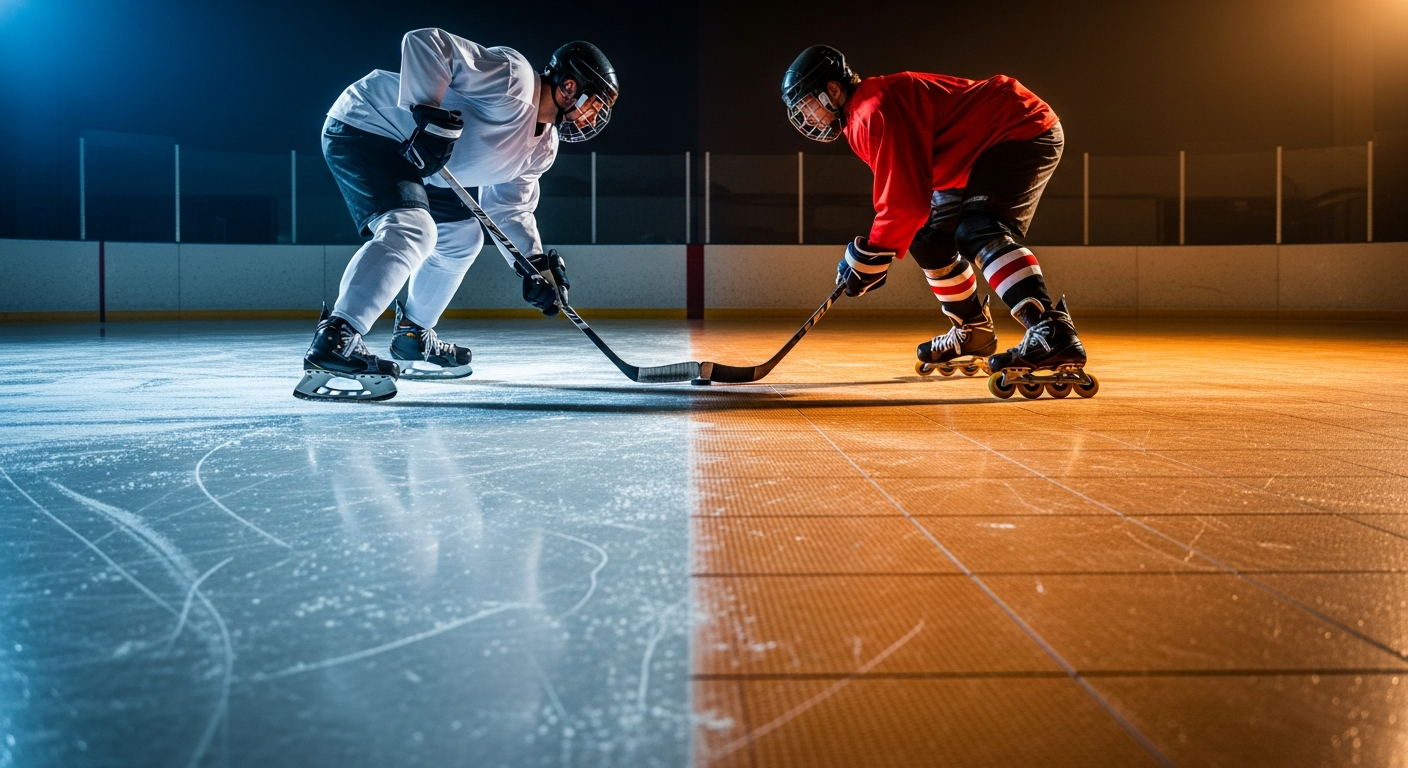
The ice melts, the rinks shift to public skate and figure skating camps, and every hockey player faces the same question: now what? For decades the answer was "wait until fall." But a growing number of players, coaches, and parents are reaching for a different answer — lace up the inline skates and keep playing. Roller hockey has quietly become one of the smartest ways to spend a hockey offseason, and the case for it keeps getting stronger.
That said, it's a real debate. Let's lay out both sides honestly, then look at why the pro-roller crowd tends to win the argument.
The Case Against: What the Skeptics Say
It would be dishonest to pretend everyone agrees. The most common objections are worth taking seriously.
- "It builds bad habits." This is the big one. Traditionalists argue that roller hockey's different stride mechanics, the lack of true edges, and the absence of body checking teach movements that don't transfer cleanly back to ice. Some coaches worry players will spend a summer reinforcing a flatter stride and then need weeks to readjust in the fall.
- "It's not the same game." Four players a side instead of five, no offsides or icing in many leagues, sport court instead of ice, and a puck or ball that behaves differently. Purists say if you want to get better at ice hockey, you should train on ice — full stop.
- "Injury and surface concerns." Falling on sport court or asphalt is harder on the body than falling on ice, and outdoor surfaces can be unforgiving in summer heat.
These are fair points. But notice what they mostly assume: that the only goal of the offseason is to perfectly replicate ice hockey. For most players, that's not actually the goal — and that's where the pro-roller argument takes over.
The Case For: Why Roller Hockey Wins the Offseason
Hands, vision, and creativity get sharper. This is the argument even ice-purist coaches have a hard time rebutting. Smaller rosters and no offsides mean far more touches per player, more time on the puck, and constant give-and-go decision-making in open space. Players come back in the fall with better stickhandling, quicker processing, and more confidence carrying the puck. Skills don't take the summer off — they compound.
Conditioning without the burnout. Roller hockey keeps your hockey-specific fitness humming — explosive crossovers, edge work, lateral movement — while feeling like fun rather than another grind on the same sheet of ice the player has been staring at since September. For young players especially, the change of scenery is a genuine antidote to burnout, which is one of the leading reasons kids quit sports entirely.
Stride myths are mostly overblown. Modern inline frames and rockered setups mimic ice edges far better than the rec skates of twenty years ago. Plenty of pro and college players credit summer roller hockey for their edge control and lower-body strength. The "bad habits" concern fades quickly with a week or two back on ice — and the skill and conditioning gains stick around much longer.
Accessibility and cost. Ice time is expensive and increasingly hard to book in summer. A sport court, a driveway, or a local roller rink costs a fraction of premium summer ice and is available far more often. For families managing hockey budgets, this is huge.
It keeps the love of the game alive. Maybe the most underrated benefit. A player who spends the summer happily playing pickup roller hockey with friends shows up in the fall hungry instead of fried. Long-term development is a marathon, and enjoyment is the fuel.
The Honest Middle Ground
Even most roller hockey advocates don't argue for abandoning ice entirely. The smartest offseason approach for a serious player is usually a blend: roller hockey as the high-volume, high-touch, fun base, supplemented with a weekly skills session or a couple of summer ice clinics to keep the edges fresh. You get the best of both — the reps and joy of roller, plus the edge-specific maintenance of ice.
The verdict? Unless you're an elite prospect whose entire summer is mapped out by a development staff, roller hockey is one of the best things you can do for your game between April and September. It keeps skills sharp, keeps fitness up, keeps the budget sane, and — crucially — keeps the game fun.
Related reading
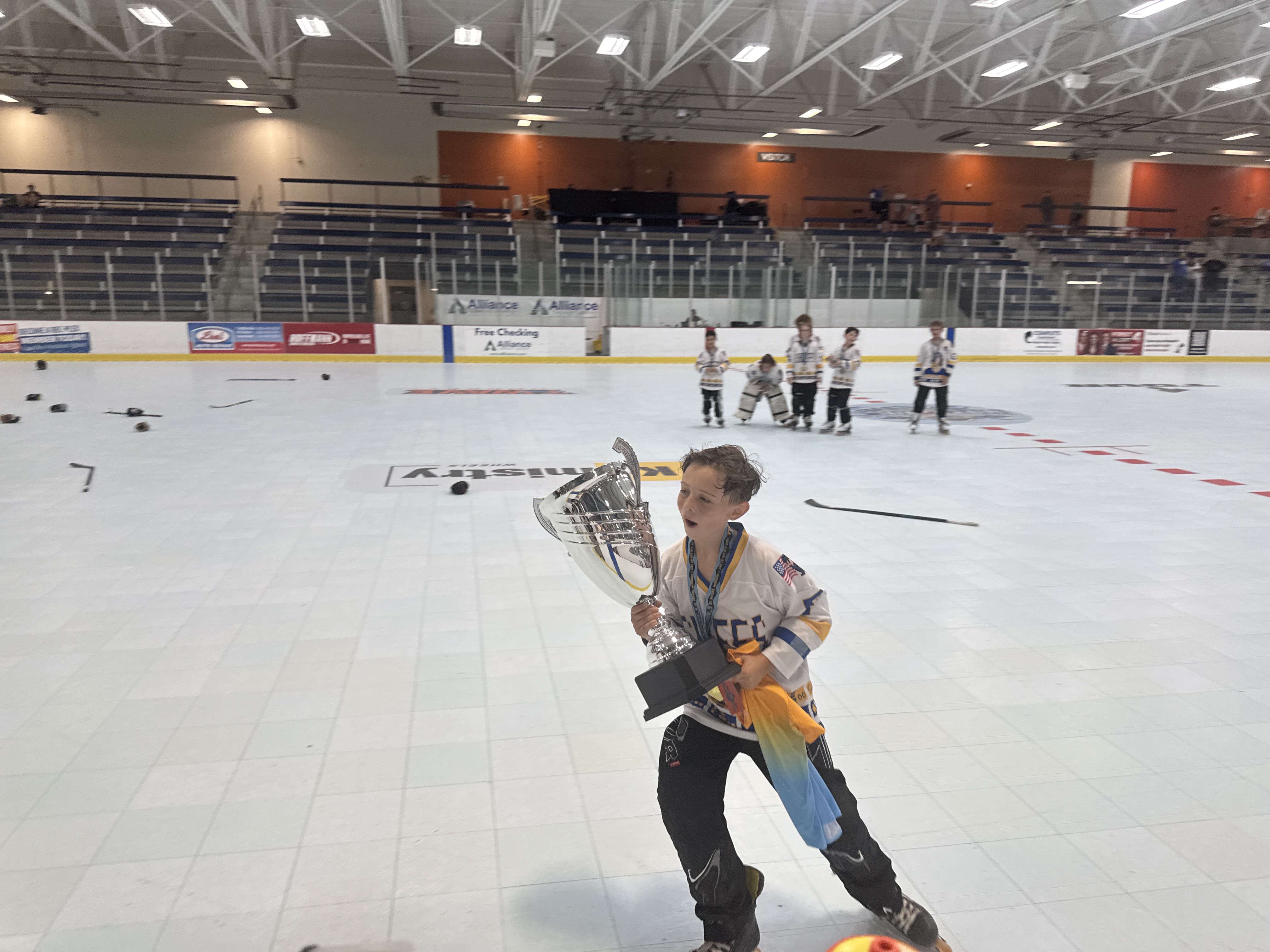
Why the TORHS Nationals Is the Best-Run Roller Hockey Tournament We've Ever Attended
If you're playing roller this summer, this is the tournament to aim for. Here's why TORHS Nationals stands apart.
Track Your Offseason Progress with Hockey Stats Keeper
Here's the thing about a roller hockey summer: the gains are real, but they're easy to lose track of. How many goals and assists did you actually rack up in your summer league? Are your shooting percentages climbing? Is that extra puck time translating into production?
Hockey Stats Keeper makes it effortless to track it all — ice or roller, league games or summer pickup. Log goals, assists, plus/minus, shots, and save percentages from your phone, watch your trends across the whole season, and walk into fall tryouts with real numbers that prove how far you've come.
Your offseason effort deserves to be measured. Start tracking your roller hockey season free →
Spend the summer on wheels. Show up in the fall a better player — and have the stats to prove it.
Ready to track your team’s hockey stats?
Hockey Stats Keeper gives your team a private website at yourteam.hockeystatskeeper.com with live goal tracking, leaderboards, player profiles, and more.
Start your free trial →